It begins with excitement.
Most people spend years thinking about building a home before construction ever begins. They collect ideas, save inspiration, walk open houses, study floor plans, and imagine how they want daily life to feel. By the time construction finally starts, there is usually a great deal of excitement surrounding the process.
There is also pressure.
Building a custom home involves thousands of decisions made over an extended period of time, often while balancing budgets, schedules, emotions, and changing priorities simultaneously. Not every decision carries equal weight, though. Some choices fade quietly into the background. Others continue shaping daily life long after construction ends.
Most client regrets are not usually about the things people expect. Rarely does someone spend years wishing they had selected a slightly different faucet or a larger appliance package. More often, regret comes from decisions made too quickly, spaces that were never fully thought through, or compromises that become more noticeable after living in the home for a while.
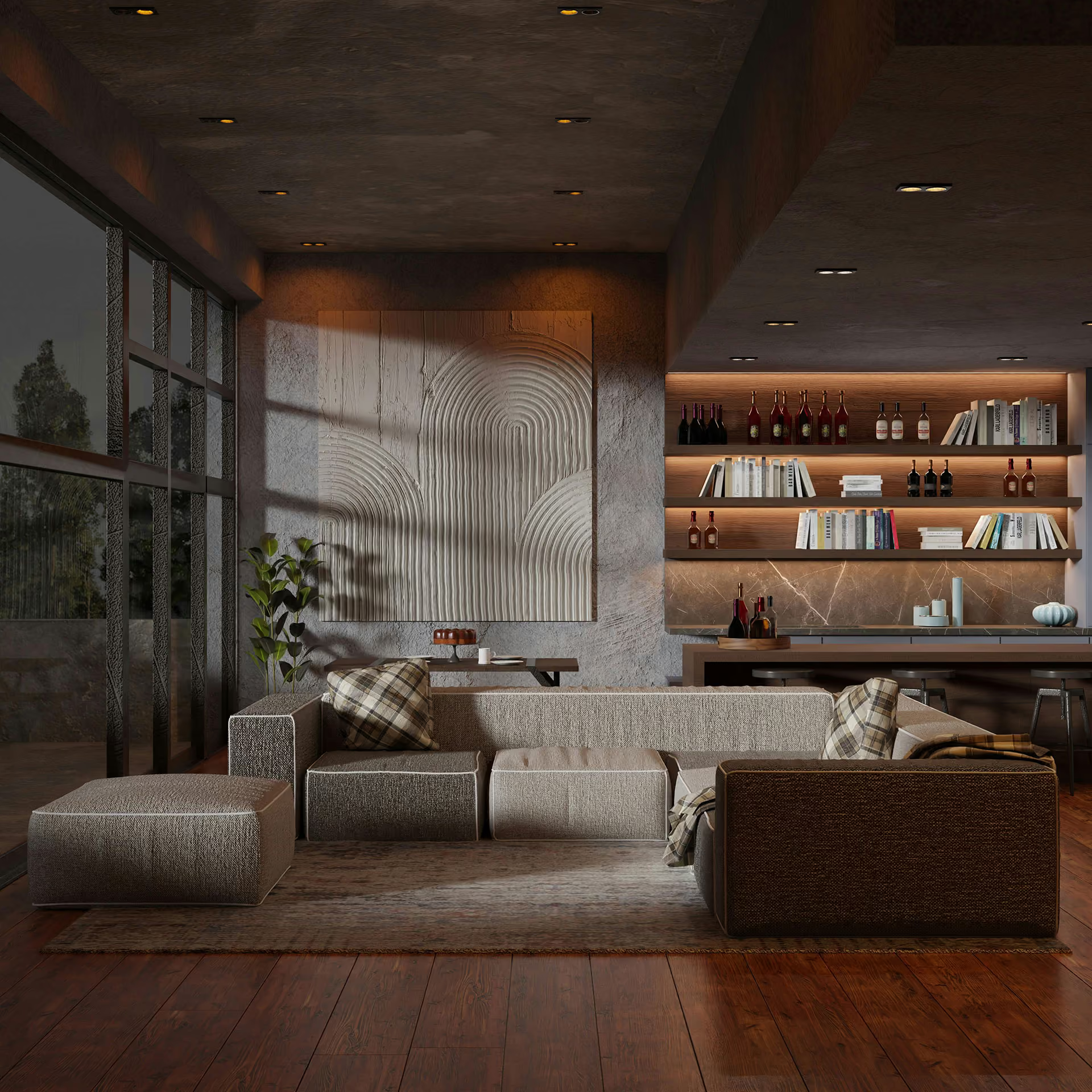
One of the most common regrets is prioritizing square footage over function.
Larger homes are not automatically easier to live in. In fact, unnecessary space often creates more maintenance, more complexity, and less connection between rooms. Homes tend to feel better when the spaces are proportioned carefully and support the way people actually move through daily routines.
We once built a home for a couple nearing retirement who wanted additional bedrooms for guests and family visits they imagined would happen constantly. A few years later, they admitted most of the lower level sat unused except for occasional storage and cleaning. Their daily life had naturally settled into only a small portion of the house, while the extra square footage quietly became more responsibility than benefit.
The homes that age best are rarely the ones that are simply the largest. They are usually the ones designed with enough honesty to support how people truly live.
Storage tends to follow a similar pattern.
During design, attention naturally gravitates toward kitchens, living rooms, and primary bedrooms. Over time, though, it is often the quieter spaces that determine how smoothly a home functions day to day. Mudrooms, pantries, laundry rooms, linen storage, mechanical access, and garage organization usually matter far more than people initially realize.
Many garages eventually become storage rooms simply because enough thought was never given to where everyday items would realistically go. When utility spaces are overlooked during design, the rest of the home slowly begins carrying that burden.
Natural light also changes the way a home feels more than many people expect.
Most clients focus heavily on views during design but spend less time considering how light will actually move through the house throughout the day and across different seasons. Morning light in kitchens, softer evening light in living spaces, glare control, privacy, and window placement all begin influencing comfort long after the novelty of the home itself settles.
The same is true of electrical planning and lighting design.
During construction, electrical layouts are often treated as technical drawings rather than part of how the home will actually feel to live in. Clients understandably focus on fixture selections, but many spend far less time thinking about outlet locations, switching layouts, dimmers, task lighting, exterior lighting, and how spaces will function during everyday routines.
After move-in, those decisions become much more noticeable.
- Not enough plugs in the right places.
- Lighting that feels overly harsh in the evenings.
- Poor coverage in rooms used constantly.
- Missing dimmers. Inconvenient switch locations.
- Dark hallways, pantries, closets, or exterior walkways.
Good electrical planning rarely draws attention to itself when done properly, but poor planning tends to reveal itself constantly through small frustrations repeated every day.
Clients also sometimes regret making too many decisions based purely on appearance.
Certain materials look beautiful when new but become difficult to maintain or visually exhausting over time. Trend-driven selections can age quickly, especially when they rely heavily on contrast, novelty, or imitation rather than natural textures and restrained proportions.
Homes usually age more comfortably when materials feel honest and grounded rather than overly performative. Design trends come and go remarkably fast, but homes built around balance, texture, light, and proportion tend to remain calming long after styles begin shifting.
Technology has become an equally important part of higher-end residential construction.
Integrated lighting, automated shading, climate control, security systems, audio, and hidden infrastructure can dramatically improve how a home feels and functions when they are planned properly from the beginning.
The problems usually appear when the systems themselves receive more attention than the experience of using them.
Lighting scenes that feel overly complicated, inconsistent switching logic, poorly coordinated controls, insufficient servicing access, or automation that constantly requires adjustment can slowly turn convenience into frustration. Most clients do not regret incorporating technology into their homes. They regret not spending enough time refining how all of those systems would actually work together before construction began.
The best integrations are usually the ones that feel almost invisible in daily life - intuitive, reliable, simple to use, and quietly supportive of the routines happening around them.
There are also regrets tied to the construction process itself.
Some clients wish they had spent more time refining drawings before construction began. Others regret rushing into pricing too early without fully understanding the scope of the project. In many cases, stress during construction comes less from the building itself and more from unresolved decisions carried into the process before enough clarity existed.
The relationship between client and builder matters more than people often expect as well.
A home is shaped through constant communication over many months. Trust, transparency, responsiveness, and shared expectations influence the experience just as much as design or budget. Clients rarely regret taking extra time to find the right builder. They do sometimes regret prioritizing price alone without understanding how differently projects can be managed behind the scenes.
Some of the quieter regrets appear years later.
Families change. Children grow up. Work habits evolve. Priorities shift. Homes tend to perform better over time when they allow for flexibility rather than rigidly locking themselves into one specific version of life.
At the same time, some of the best decisions are surprisingly simple.
- Good natural light.
- Durable materials.
- Thoughtful storage.
- Comfortable proportions.
- Quiet mechanical systems.
- Functional circulation.
- Rooms that feel easy to spend time in.
Those qualities rarely demand attention loudly, but they continue improving daily life long after construction is complete.
In the end, most regrets are not really about missing luxury. They are usually about wishing certain decisions had been considered more carefully before the pace and pressure of construction took over.
The homes that continue to feel successful years later are often the ones designed with enough patience, restraint, and honesty to support real life instead of simply creating an impression at the beginning.