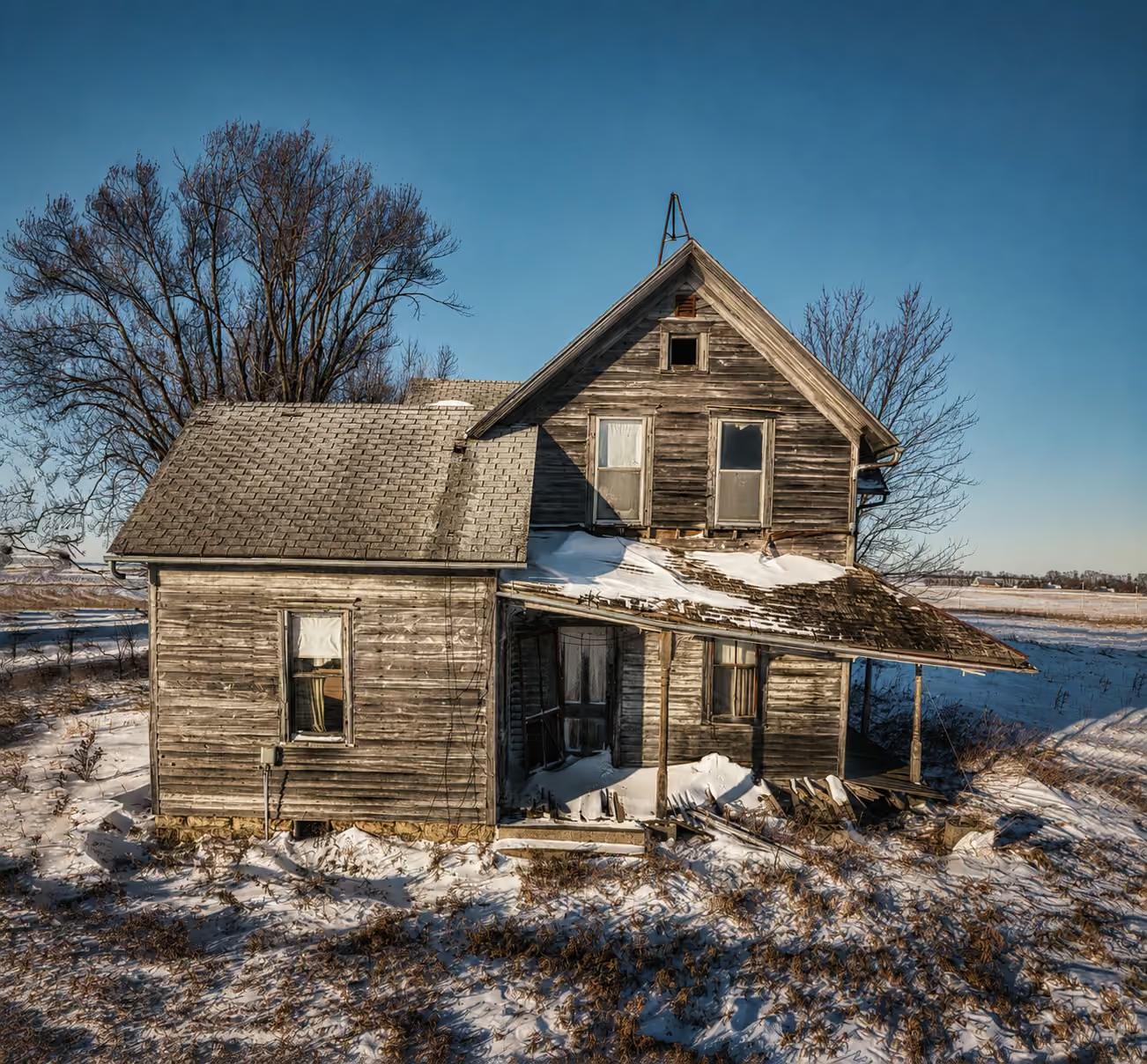
I find myself wondering about the tradesmen who built it, and whether any of them are still alive to see it standing there like that. I wonder if their children or grandchildren know their father or grandfather once worked on that house. Maybe they framed a wall there, poured the foundation, or spent long days shaping details that nobody notices anymore.
Even in neglected homes, you can still see where the craftsmen cared. You notice the places where someone put a little more of themselves into the work —a detail sanded smoother than it needed to be, a window placed carefully to catch the morning light. Small decisions that probably added time to the job, but made the home feel warmer, quieter, or more comfortable for the people living inside it. Those things stay behind long after the people are gone.
I’ve been fortunate enough to hand over many sets of keys over the years, and I often think about the emotional weight of that moment: a family stepping over the threshold of a home they dreamed about building, worked hard to afford, and thought about for years. The excitement, the pride, the feeling that a new chapter is beginning. But when I look at an abandoned home, I also think about the last time someone walked back out of it. Maybe reluctantly. Maybe after decades.
Maybe after loss, age, or change made it impossible to stay.
I saw a news piece years ago about a man who made guitars using salvaged wood from old bar countertops. The bar was known for its live music and celebrations. He believed the wood had soaked up all the music, stories, laughter, tears, joy, and pain from those years and that it somehow influenced the sound his instruments would later create. That all that emotion showed through in the sound.